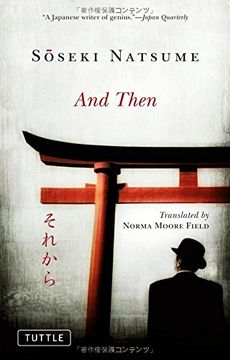
"A Japanese writer of genius."—Japan QuarterlySoseki Natsume is considered to be one of Japan's most beloved and respected authors. And Then is ranked as one of his most insightful and stirring novels.Daisuke, the protagonist, is a man in his twenties who is struggling with his personal purpose and identity as well as the changing social landscape of Meiji-era Japan. As Japan enters the Twentieth Century, ancient customs give way to western ideals, and Daisuke works to resolve his feelings of disconnection and abandonment during this time of change. Thanks to his father's wealth, Daisuke has the luxury of having time to develop his philosophies and ruminate on their meaning while remaining intellectually aloof from traditional Japanese culture and the demands of growing industrialization. Then Daisuke's life takes an unexpected turn when he is reunited with his college friend and his sickly wife. At first, Daisuke's stoicism allows him to act according to his intellect, but his intellectual fortress begins to show its vulnerabilities as his emotions start to hold greater sway over his inner life. Daisuke must now weigh his choices in a culture that has always operated on the razor's edge of societal obligation and personal freedom.
(1867-1916) Nació en Tokio. Tras realizar los estudios universitarios, ejerció como profesor en varias ciudades de su país. Amplió estudios en Londres y en 1903 le fue confiada la cátedra de literatura inglesa en la Universidad Imperial de la capital japonesa. En 1907 renunció a la enseñanza universitaria para dedicarse exclusivamente a la producción literaria. Hechicero de la prosa japonesa e iniciador de un nuevo estilo de novela, es una figura emblemática de la literatura japonesa moderna e iniciador de una corriente literaria que continuaron ilustres escritores de diversas escuelas más próximas a nuestros días. El trasfondo ideológico de sus obras ha suscitado el interés de estudiosos japoneses y extranjeros. La armonía de su exquisito lirismo y su perspicaz análisis de la realidad humana han tenido siempre un peculiar atractivo para el público japonés. Soseki es la encarnación de una época de transición violenta, donde el orden de los valores tradicionales choca con el de los modernos valores occidentales cuya fuerza es imaparable. Entre sus obras se encuentran ensayos, poesías y, sobre todo, novelas. Son especialmente representativas, además de «Yo, el gato», «Botchan» («El joven mimado»), «Gubijinso» («Amapola»), «Sanshiro», «Kusamokura» («La almohada de hierba»), «Kokoro» («Corazón»), «Sorekara» («Después»), «Tabibito» («El caminante»), «Mon» («La puerta») y «Meian» («Claroscuro»), que dejó incompleta en noviembre de 1916, poco antes de su muerte.