Hallo! Tracked shipping to Netherlands with Delivery Duty Paid for just €7 

Ship to
Netherlands
0
  • argentina
  • chile
  • colombia
  • españa
  • méxico
  • perú
  • estados unidos
  • internacional

Select your country

Americas

Europe

Rest of the world

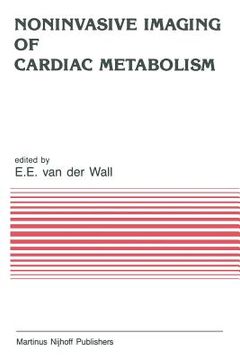
portada Noninvasive Imaging of Cardiac Metabolism: Single Photon Scintigraphy, Positron Emission Tomography and Nuclear Magnetic Resonance
Type
Physical Book
Publisher
Language
English
Pages
311
Format
Paperback
Dimensions
23.4 x 15.6 x 1.8 cm
Weight
0.46 kg.
ISBN13
9789401079761

Noninvasive Imaging of Cardiac Metabolism: Single Photon Scintigraphy, Positron Emission Tomography and Nuclear Magnetic Resonance

Van Der Wall, Ernst E. (Author) · Springer · Paperback

Noninvasive Imaging of Cardiac Metabolism: Single Photon Scintigraphy, Positron Emission Tomography and Nuclear Magnetic Resonance - Van Der Wall, Ernst E.

Cheaper New Book Imported to Netherlands
Delivery: 28 Aug - 03 Sep Shipping: 12 to 14 business days.
€ 56,87
Faster New Book Imported to Netherlands
Delivery: 18 Aug - 20 Aug Shipping: 4 to 5 business days.
€ 69,12
Import costs and 9% BTW included in the price ✅
€ 56,87

Synopsis "Noninvasive Imaging of Cardiac Metabolism: Single Photon Scintigraphy, Positron Emission Tomography and Nuclear Magnetic Resonance"

F.J.Th. WACKERS Metabolic imaging: The future of cardiovascular nuclear imaging? Since cardiovascular nuclear imaging emerged as a new subspecialty in the mid-1970s, the field has gone through an explosive growth. Radionuclide techniques became readily recognized as important new diagnostic aids in the armamentarium of the clinical cardiologist. Initially, cardiovascular nuclear imaging focused on static myocardial imaging using either thallium-201 or technetium-99m-pyrophosphate for diagnosing acute myocardial infarction. Shortly thereafter, multigated equilibrium radionuclide angiocardiography became the most widely used noninvasive method for assessing cardiac function. Furthermore, attention and clinical application shifted towards the use of radionuclide techniques in conjunction with exercise testing, either with thallium-20 1 myocardial perfusion imaging or technetium-99m left ventricular function studies. The future of cardiovascular nuclear imaging appeared exciting and promising. However, around 1980 pessimists predicted the premature demise of cardiovascular nuclear imaging with the introduction of digital subtraction angiography and nuclear magnetic resonance imaging. These doomsayers have been proven wrong: in 1985 cardiovascular nuclear imaging is thriving and, in many centers, even expanding. Although digital substraction angiography and magnetic resonance imaging provided exquisite anatomic detail, for practical evaluation of patients with ischemic heart disease - in the Coronary Care Unit or exercise laboratory - nuclear techniques appeared to be more practical.

Customers reviews

Frequently Asked Questions about the Book

All books in our catalog are Original.
The book is written in English.
The binding of this edition is Paperback.

Questions and Answers about the Book

Do you have a question about the book? Login to be able to add your own question.

Opinions about Bookdelivery

More customer reviews