Tracked shipping to the Netherlands for just €3.99. Prices include 9% BTW. 

Ship to
Netherlands
0
  • argentina
  • chile
  • colombia
  • españa
  • méxico
  • perú
  • estados unidos
  • internacional

Select your country

Americas

Europe

Rest of the world

portada Screening the Body: Tracing Medicine's Visual Culture
Type
Physical Book
Year
1995
Language
English
Pages
224
Format
Paperback
Weight
1
ISBN
0816622906
ISBN13
9780816622900
Edition No.
1

Screening the Body: Tracing Medicine's Visual Culture

Lisa Cartwright (Author) · University Of Minnesota Press · Paperback

Screening the Body: Tracing Medicine's Visual Culture - Lisa Cartwright

New Book Imported to Netherlands
Delivery: 29 Jun - 30 Jun Shipping: 3 to 3 business days.
30,84 €
Import costs and 9% BTW included in the price ✅
30,84 €

Synopsis "Screening the Body: Tracing Medicine's Visual Culture "

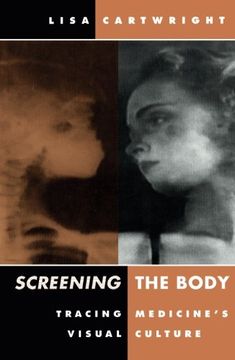
Moving images are used as diagnostic tools and locational devices every day in hospitals, clinics and laboratories. But how and when did such issues come to be established and accepted sources of knowledge about the body in medical culture? How are the specialized techniques and codes of these imaging techniques determined, and whose bodies are studied, diagnosed and treated with the help of optical recording devices? "Screening the Body" traces the unusual history of scientific film during the late 19th and early 20th centuries, presenting material that is at once disturbing and engrossing. Lisa Cartwright looks at films like "The Elephant Electrocution". She brings to light eccentric figures in the history of the science film such as William P. Spratling who used Biograph equipment and crews to film epileptic seizures, and Thomas Edison's lab assistants who performed x-ray experiments on their own bodies. Drawing on feminist film theory, cultural studies, the history of film, and the writings of Foucault, Lisa Cartwright illustrates how this scientific cinema was a part of a broader tendency in society toward the technological surveillance, management, and physical transformation of the individual body and the social body. She frequently points out the similarities of scientific film to works of avant-garde cinema, revealing historical ties among the science film, popular media culture and elite modernist art and film practices. Ultimately, Cartwright unveils an area of film culture that has rarely been discussed, but which will leave readers scouring video libraries in search of the films she describes.

Customers reviews

Frequently Asked Questions about the Book

All books in our catalog are Original.
The book is written in English.
The binding of this edition is Paperback.

Questions and Answers about the Book

Do you have a question about the book? Login to be able to add your own question.

Opinions about Bookdelivery

More customer reviews