Hallo! Tracked shipping to Netherlands with Delivery Duty Paid for just €7 

Ship to
Netherlands
0
  • argentina
  • chile
  • colombia
  • españa
  • méxico
  • perú
  • estados unidos
  • internacional

Select your country

Americas

Europe

Rest of the world

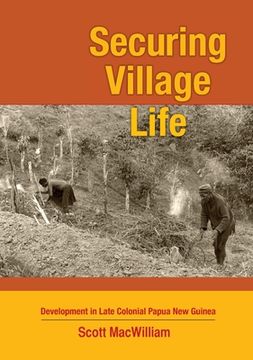
portada Securing Village Life: Development in Late Colonial Papua New Guinea
Type
Physical Book
Publisher
Language
English
Pages
320
Format
Paperback
Dimensions
25.0 x 17.6 x 2.2 cm
Weight
0.73 kg.
ISBN13
9781922144843

Securing Village Life: Development in Late Colonial Papua New Guinea

Scott Macwilliam (Author) · Anu Press · Paperback

Securing Village Life: Development in Late Colonial Papua New Guinea - Macwilliam, Scott

New Book Imported to Netherlands
Delivery: 13 Aug - 17 Aug Shipping: 4 to 5 business days.
€ 31,87
Import costs and 9% BTW included in the price ✅
€ 31,87

Synopsis "Securing Village Life: Development in Late Colonial Papua New Guinea"

Securing Village Life: Development in Late Colonial Papua New Guinea examines the significance for post-World War II Australian colonial policy of the modern idea of development. Australian officials emphasised the importance of bringing development for both the colony of Papua and the United Nations Trust Territory of New Guinea. The principal form that development took involved securing smallholders against the tendencies of other forms of capitalist development that might have separated households from land. In order to make household occupation of their holdings more secure and at higher standards of living, the colonial administration coordinated and supervised increases in production of crops and other agricultural produce. Contrary to suggestions that colonial policy and practice ignored indigenous agriculture and concentrated on plantation crops grown by international firms and expatriate owner-occupiers, the study shows how the main focus was instead upon increasing smallholder output for immediate consumption as well as for local and international markets. Simultaneously development stimulated increases in consumption, including of goods produced through manufacturing processes and imported into the colony. Only as Independence approached was the pre-eminence of the earlier focus upon smallholders weakened. In part the change occurred due to the political advance of the indigenous capitalist class and their allies seeking to extend their base in largeholding agriculture and related commercial activities. This advance and the uncertainty over which form of development would prevail once indigenes held state power in post-colonial Papua New Guinea stood in marked contrast to the definite direction pursued under the colonial administration of the 1950s and early 1960s.

Customers reviews

Frequently Asked Questions about the Book

All books in our catalog are Original.
The book is written in English.
The binding of this edition is Paperback.

Questions and Answers about the Book

Do you have a question about the book? Login to be able to add your own question.

Opinions about Bookdelivery

More customer reviews