Tracked shipping to the Netherlands for just €3.99. Prices include 9% BTW. 

Ship to
Netherlands
0
  • argentina
  • chile
  • colombia
  • españa
  • méxico
  • perú
  • estados unidos
  • internacional

Select your country

Americas

Europe

Rest of the world

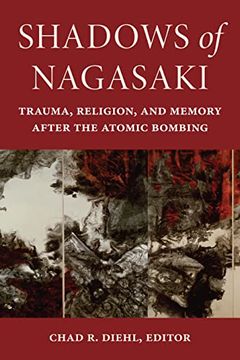
portada Shadows of Nagasaki: Trauma, Religion, and Memory After the Atomic Bombing (World war ii: The Global, Human, and Ethical Dimension)

Shadows of Nagasaki: Trauma, Religion, and Memory After the Atomic Bombing (World war ii: The Global, Human, and Ethical Dimension)

Diehl Chad R. (Editor)/ Burke-Gaffney Brian (Contributor)/ Gasha Anna (Contributor)/ Haynes Anthony Richard (Contributor)/ Mason Michele M. (Contributor) (Author) · Fordham University Press · Paperback

Shadows of Nagasaki: Trauma, Religion, and Memory After the Atomic Bombing (World war ii: The Global, Human, and Ethical Dimension) - Diehl Chad R. (Editor)/ Burke-Gaffney Brian (Contributor)/ Gasha Anna (Contributor)/ Haynes Anthony Richard (Contributor)/ Mason Michele M. (Contributor)

New Book Imported to Netherlands
Delivery: 20 Jul - 23 Jul Shipping: 12 to 14 business days.
41,70 €
Import costs and 9% BTW included in the price ✅
41,70 €

Synopsis "Shadows of Nagasaki: Trauma, Religion, and Memory After the Atomic Bombing (World war ii: The Global, Human, and Ethical Dimension) "

A critical introduction to how the Nagasaki atomic bombing has been remembered, especially in contrast to that of Hiroshima. In the decades following the atomic bombing of Nagasaki on August 9, 1945, the city's residents processed their trauma and formed narratives of the destruction and reconstruction in ways that reflected their regional history and social makeup. In doing so, they created a multi-layered urban identity as an atomic-bombed city that differed markedly from Hiroshima's image. Shadows of Nagasaki traces how Nagasaki's trauma, history, and memory of the bombing manifested through some of the city's many post-atomic memoryscapes, such as literature, religious discourse, art, historical landmarks, commemorative spaces, and architecture. In addition, the book pays particular attention to how the city's history of international culture, exemplified best perhaps by the region's Christian (especially Catholic) past, informed its response to the atomic trauma and shaped its postwar urban identity. Key historical actors in the volume's chapters include writers, Japanese- Catholic leaders, atomic-bombing survivors (known as hibakusha), municipal officials, American occupation personnel, peace activists, artists, and architects. The story of how these diverse groups of people processed and participated in the discourse surrounding the legacies of Nagasaki's bomb-ing shows how regional history, culture, and politics--rather than national ones--become the most influential factors shaping narratives of destruction and reconstruction after mass trauma. In turn, and especially in the case of urban destruction, new identities emerge and old ones are rekindled, not to serve national politics or social interests but to bolster narratives that reflect local circumstances.

Customers reviews

Frequently Asked Questions about the Book

All books in our catalog are Original.
The book is written in English.
The binding of this edition is Paperback.

Questions and Answers about the Book

Do you have a question about the book? Login to be able to add your own question.

Opinions about Bookdelivery

More customer reviews