Hallo! Tracked shipping to Netherlands with Delivery Duty Paid for just €7 

Ship to
Netherlands
0
  • argentina
  • chile
  • colombia
  • españa
  • méxico
  • perú
  • estados unidos
  • internacional

Select your country

Americas

Europe

Rest of the world

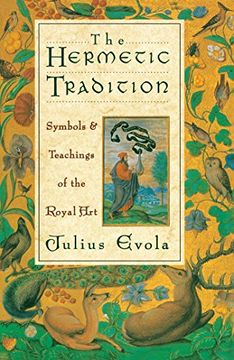
portada The Hermetic Tradition: Symbols and Teachings of the Royal art
Type
Physical Book
Year
1995
Language
English
Pages
240
Format
Paperback
Dimensions
22.9 x 15.3 x 1.9 cm
Weight
0.34 kg.
ISBN
0892814519
ISBN13
9780892814510

The Hermetic Tradition: Symbols and Teachings of the Royal art

Julius Evola (Author) · Inner Traditions · Paperback

The Hermetic Tradition: Symbols and Teachings of the Royal art - Julius Evola

5 estrellas - de un total de 5 estrellas 1 review
New Book Imported to Netherlands
Delivery: 18 Aug - 20 Aug Shipping: 5 to 6 business days.
€ 16,30
Import costs and 9% BTW included in the price ✅
€ 16,30

Synopsis "The Hermetic Tradition: Symbols and Teachings of the Royal art "

This important survey of alchemical symbols and doctrines sets forth the mysterious worldview and teachings of the practitioners of the "royal art." One of the leading exponents of the Hermetic tradition, Julius Evola demonstrates the singularity of subject matter that lies behind the words of all adepts in all ages, showing how alchemy--often misunderstood as primitive chemistry or a mere template for the Jungian process of "individuation"--is nothing less than a universal secret science of human and natural transformation. First published in 1931 in Italian. This is the first English translation. Draws from a host of sources in the Western esoteric tradition--works on theurgy, magic, and gnosticism from neoplatonic, Arab, and medieval sources.
Julius Evola
  (Author)
View Author's Page
Julius Evola (Roma, 19 de mayo de 1898 – 11 de junio de 1974) fue un filósofo, escritor y pensador italiano, conocido por su postura radicalmente tradicionalista, esotérica y su crítica feroz al liberalismo, la democracia y la modernidad.

De familia aristocrática, Evola se formó en ingeniería, pero su verdadera vocación fue la filosofía y las artes. Durante su juventud, se interesó por el dadaísmo y el futurismo, influenciado por figuras como Papini y Marinetti. Sin embargo, tras la Primera Guerra Mundial, sufrió una crisis existencial que lo llevó a un profundo estudio de la metafísica, la religión comparada y el esoterismo.

En la década de 1930, Evola se alineó con el fascismo italiano, aunque mantuvo una postura crítica hacia el régimen de Mussolini, considerándolo plebeyo y demagógico. En 1934, publicó su obra más influyente, Revuelta contra el mundo moderno, donde abogó por un retorno a valores tradicionales y una élite espiritual que guiara a la humanidad. Durante la Segunda Guerra Mundial, se trasladó a Viena, donde fue gravemente herido por un obús soviético, quedando parapléjico.

Tras la guerra, Evola continuó escribiendo y desarrollando su pensamiento, que influyó en movimientos neofascistas y tradicionalistas. Su legado es controvertido, siendo considerado por algunos como un pensador radical y por otros como un ideólogo extremista.
See more
See less

Customers reviews

Bruno San Martín Tuesday, October 15, 2024
Verified Purchase

Llegó en perfecta condición

00
  • 100% (1)
  • 0% (0)
  • 0% (0)
  • 0% (0)
  • 0% (0)

Frequently Asked Questions about the Book

All books in our catalog are Original.
The book is written in English.
The binding of this edition is Paperback.

Questions and Answers about the Book

Do you have a question about the book? Login to be able to add your own question.

Opinions about Bookdelivery

More customer reviews