Hallo! Tracked shipping to Netherlands with Delivery Duty Paid for just €7 

Ship to
Netherlands
0
  • argentina
  • chile
  • colombia
  • españa
  • méxico
  • perú
  • estados unidos
  • internacional

Select your country

Americas

Europe

Rest of the world

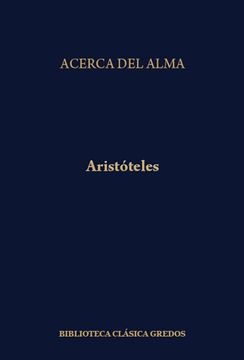
portada Acerca del Alma (in Spanish)
Type
Physical Book
Publisher
Collection
biblioteca clasica gredos
Year
2003
Language
Spanish
Pages
272
Format
Hardcover
ISBN
8424935187
ISBN13
9788424935184
Edited in
España

Acerca del Alma (in Spanish)

Aristóteles (Author) · Gredos · Hardcover

Acerca del Alma (in Spanish) - Aristóteles

Used BookGood Condition Imported to Netherlands
Delivery: 07 Oct - 14 Oct Shipping: 8 to 12 business days.
€ 97,23
Import costs and 9% BTW included in the price ✅
(Good Condition)€ 97,23

Synopsis "Acerca del Alma (in Spanish)"

La figura de un gigante como Aristóteles (384 a. C. - 322 a. C.) es insoslayable en el pensamiento occidental, tanto en su vertiente filosófica como científica. Ha sido un referente a lo largo de los siglos en un sorprendente número de campos del saber: política, ética, lógica, retórica, biología, meteorología, etc., y en más de un caso fue él quien sentó las bases para el desarrollo de estas disciplinas. Su obra es abundante (entre 139 y 192 tratados) y casi inabarcable en cuanto a contenido. Acerca del alma es un tratado acerca de los seres vivos, acerca de aquelloque diferencia los vivientes de los no-vivientes. La pregunta no es si el alma existe o no, sino «a qué género pertenece y qué es el alma». A partir de aquí, Aristóteles desarrolla, a lo largo de los tres libros que componen la obra, una teoría nueva y vigorosa acerca del alma alejada de las especulaciones anteriores, aunque no exenta de ambigüedades internas. «Solamente el Fedón de Platón podría, tal vez, compararse con este tratado en cuanto a su transcendencia histórica en relación con el tema del alma». Tomás Calvo Martínez
Aristóteles
  (Author)
View Author's Page
Aristotle (Stagira, 384 BC-Chalcis, 322 BC) was a philosopher, polymath, and Greek scientist born in the city of Stagira, in the north of Ancient Greece. He is considered, along with Plato, the father of Western philosophy. His ideas have had a huge influence on the intellectual history of the West for more than two millennia.

He was a disciple of Plato and other thinkers, such as Eudoxus of Cnidus, during the twenty years he was at the Academy of Athens. Shortly after Plato's death, Aristotle left Athens to be the tutor of Alexander the Great in the Kingdom of Macedonia for almost 5 years. In the last stage of his life, he founded the Lyceum in Athens, where he taught until a year before his death.

Aristotle wrote about 200 works, of which only 31 have been preserved (none of them intended for publication) in the Corpus Aristotelicum on a wide variety of topics, including: logic, metaphysics, philosophy of science, ethics, political philosophy, aesthetics, rhetoric, physics, astronomy, and biology. Aristotle transformed many, if not all, of the areas of knowledge he addressed. He is recognized as the founding father of logic and biology, since although there are reflections and writings on both subjects before him, it is in Aristotle's work that the first systematic investigations are found. Aristotle has also been called the father of political science, zoology, embryology, natural law, scientific method, rhetoric, psychology, realism, criticism, individualism, teleology, and meteorology.
See more
See less

Customers reviews

Frequently Asked Questions about the Book

All books in our catalog are Original.
The book is written in Spanish.
The binding of this edition is Hardcover.

Questions and Answers about the Book

Do you have a question about the book? Login to be able to add your own question.

Opinions about Bookdelivery

More customer reviews