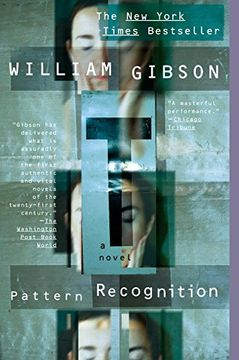
"Pattern Recognition is William Gibson's best book since he rewrote all the rules in Neuromancer."--Neil Gaiman, author of American Gods "One of the first authentic and vital novels of the 21st century."--The Washington Post Book World The accolades and acclaim are endless for William Gibson's coast-to-coast bestseller. Set in the post-9/11 present, Pattern Recognition is the story of one woman's never-ending search for the now... Cayce Pollard is a new kind of prophet--a world-renowned "coolhunter" who predicts the hottest trends. While in London to evaluate the redesign of a famous corporate logo, she's offered a different assignment: find the creator of the obscure, enigmatic video clips being uploaded to the internet--footage that is generating massive underground buzz worldwide. Still haunted by the memory of her missing father--a Cold War security guru who disappeared in downtown Manhattan on the morning of September 11, 2001--Cayce is soon traveling through parallel universes of marketing, globalization, and terror, heading always for the still point where the three converge. From London to Tokyo to Moscow, she follows the implications of a secret as disturbing--and compelling--as the twenty-first century promises to be...
William Gibson es uno de los escritores de ciencia ficción más influyentes y elogiados del mundo. Es autor de doce novelas (incluyendo La máquina diferencial coescrita con Bruce Sterling), una antología de relatos (Quemando cromo) y una colección de ensayos (Distrust That Particular Flavor). Considerado un visionario, difunde un potente discurso acerca de nuestros deseos culturales, miedos y obsesiones sobre temas como las multinacionales, la política global, los datos computarizados, la ingeniería genética, la cibernética, el miedo a lo tecnológico y, en última instancia, el significado de ser humano en una era infinitamente compleja.
Su famosa novela Neuromante acuñó el término «ciberespacio» y nos ofreció la primera aproximación a Internet. En siguientes obras superventas, Gibson nos ofreció descripciones proféticas y convincentes de lo que sería la prensa del corazón, la tele realidad y la nanotecnología. Su obra se ha visto influida por la de otros autores y académicos, además de por la tecnología, la cultura popular, el arte y la música. Gibson también ha colaborado en numerosas ocasiones en el campo de las artes escénicas, la música y el cine. Actualmente vive en Vancouver con su mujer.